In a world defined by speed, noise, and visual overload, minimalism in interior design offers a quiet but powerful response. It is not merely a trend or a style—it is a way of thinking about space, function, and everyday living.
Minimalist interiors are built on the idea that less is not a limitation, but a freedom.
The Philosophy Behind Minimalist Spaces
At its core, minimalism is about intention. Every element in a space has a purpose, whether functional or emotional. Furniture is carefully selected, colors are restrained, and decorative elements are used sparingly—yet thoughtfully.
This approach creates interiors that feel open, calm, and balanced. By removing unnecessary visual distractions, minimalist design allows people to focus on what truly matters: comfort, light, and quality of life.
Clean Lines, Natural Materials
Minimalist interiors are often defined by clean architectural lines, open layouts, and a neutral color palette. Whites, soft grays, beige tones, and natural wood dominate the scene, creating a timeless aesthetic rather than one tied to short-term trends.
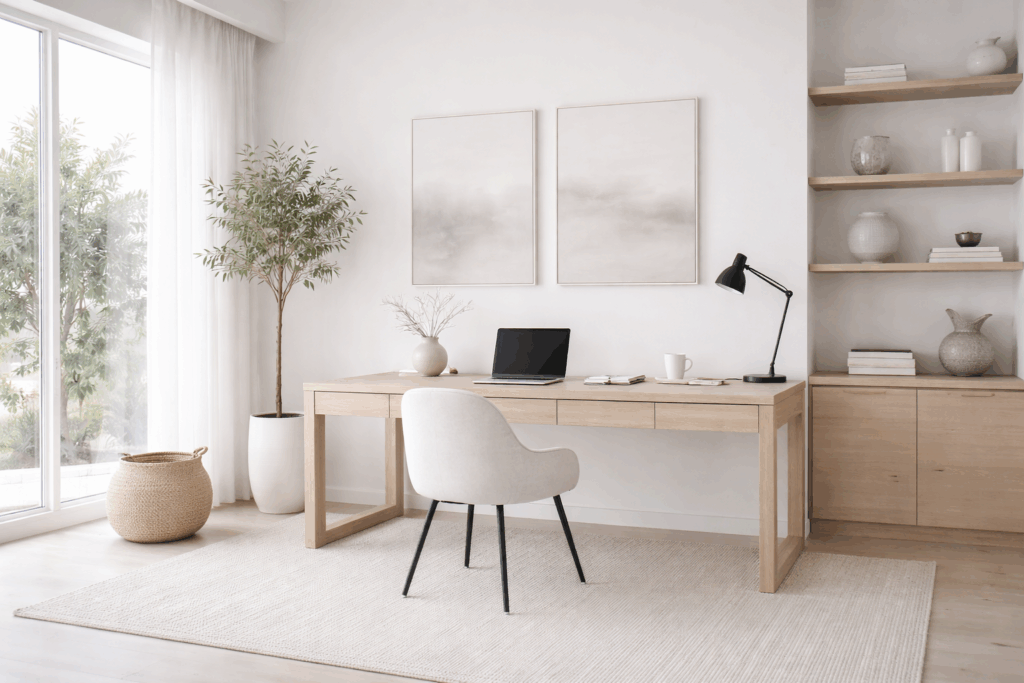
Natural materials such as wood, stone, linen, and concrete play a crucial role. Their textures add warmth and depth, proving that minimalism does not have to feel cold or sterile.
Function as a Design Statement
In minimalist design, functionality becomes a form of beauty. Storage solutions are integrated seamlessly, furniture often serves multiple purposes, and spaces are designed to adapt to modern lifestyles.
When every item earns its place, the result is an environment that feels both efficient and elegant.
Minimalism as a Lifestyle Choice
Beyond aesthetics, minimalism reflects a conscious lifestyle. A minimalist home encourages mindfulness, reduces stress, and promotes clarity—both visually and mentally. It invites slower living, better organization, and a deeper connection to one’s surroundings.
Rather than focusing on what is missing, minimalism celebrates what remains.
Timeless, Sustainable, Personal
Minimalist interiors are also inherently sustainable. By prioritizing quality over quantity and timeless design over fast trends, they reduce waste and encourage long-term use.
Most importantly, minimalism is not about copying a look—it is about creating a space that feels personal, authentic, and aligned with the way we live today.